

The Minister of Public Security and Parliamentary Affairs, Hon. Ananda Wijepala, represented Sri Lanka in the First BIMSTEC Home Ministers’ Meeting held in New Delhi, India, on 13 October 2026, reaffirming Sri Lanka’s commitment to strengthening regional cooperation in addressing shared security challenges across the Bay of Bengal region.
The inaugural meeting, hosted by the Government of India under the chairmanship of Union Home Minister Shri Amit Shah, brought together representatives of Bangladesh, Bhutan, India, Myanmar, Nepal, Sri Lanka and Thailand. The meeting adopted the Delhi Declaration, providing strategic direction for enhanced regional cooperation in security and law enforcement.
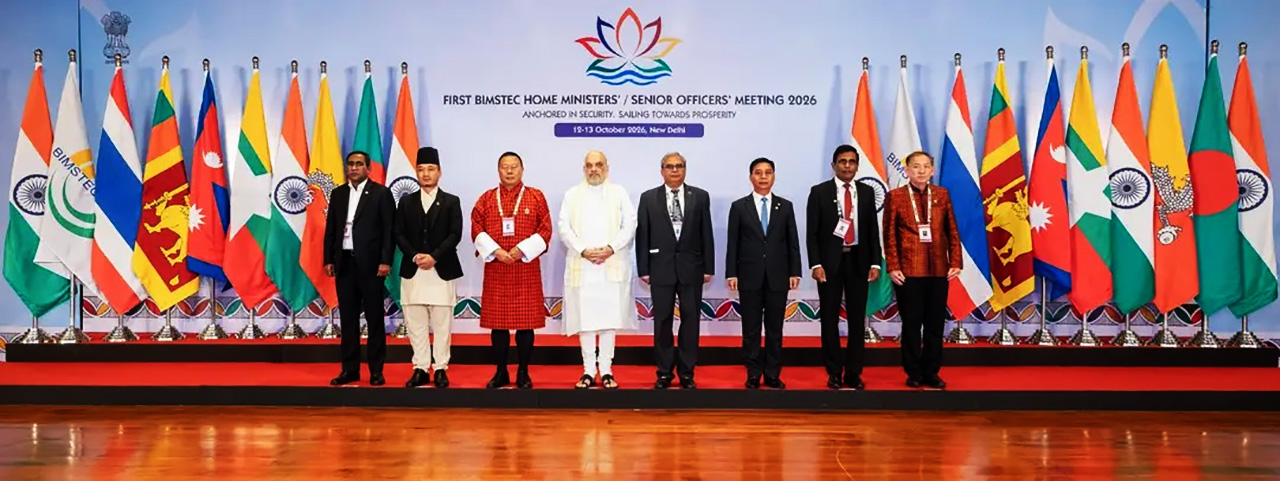
In his statement, Minister Wijepala underscored that security is fundamental to sustainable economic and social development, emphasising that people must be able to live in peace, travel safely, conduct their businesses freely in a secure environment.
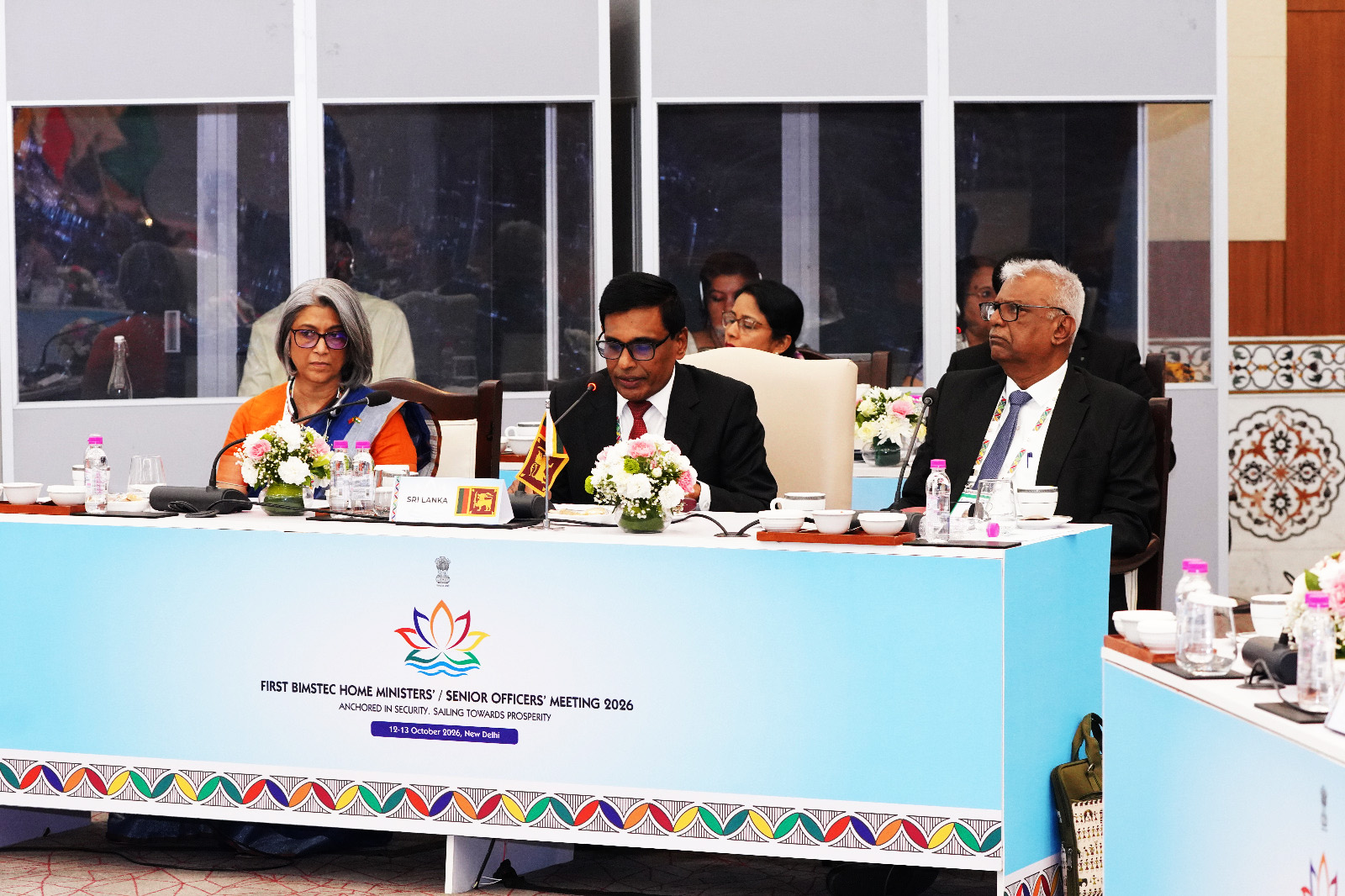
Highlighting Sri Lanka’s approach to public security, the Minister outlined the Government’s efforts to strengthen institutions, improve coordination among law enforcement agencies and address crime through prevention, enforcement and rehabilitation. He emphasised that effective public security extends beyond law enforcement to include public confidence, community participation and the protection of children and young people from drugs, violence and exploitation.
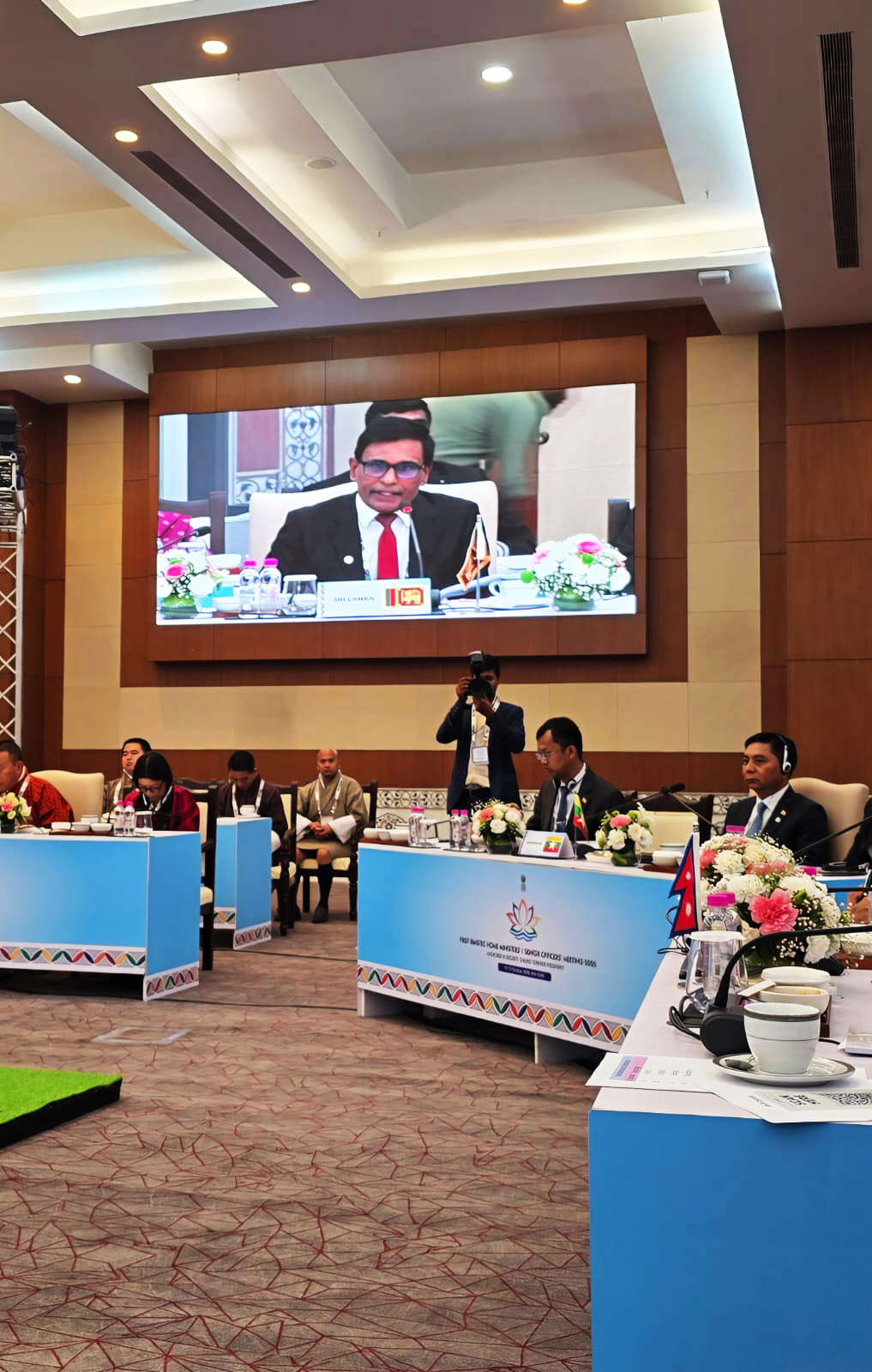
Addressing the challenge of illicit drugs, Minister Wijepala highlighted the cross-border nature of drug trafficking and its links to organised criminal networks, international transport routes, financial flows and modern communication technologies. He referred to Sri Lanka’s national drug prevention programme, Ratama Ekata, and stressed the importance of integrating enforcement with prevention, rehabilitation and community engagement.
The Minister emphasised that national efforts alone cannot adequately address transnational threats, calling for timely information-sharing, stronger institutional cooperation and practical collaboration among BIMSTEC Member States. He also highlighted the importance of cooperation in addressing cybercrime, financial crime, human trafficking, migrant smuggling and criminal activities conducted through maritime routes. He underscored the need for coordinated action to ensure that information reaches the relevant authorities in a timely manner and that regional commitments translate into tangible outcomes for the people of the region.
The Delhi Declaration reaffirmed the commitment of BIMSTEC Member States to building a connected, secure, resilient, developed and prosperous region. It recognised the shared and transnational nature of security challenges facing the Bay of Bengal region and called for enhanced cooperation against terrorism, violent extremism conducive to terrorism, drug trafficking, human trafficking, money laundering, terrorist financing, cybercrime and transnational organised crime. The Declaration also emphasised the effective implementation of existing BIMSTEC legal instruments, the early finalisation of proposed conventions, enhanced information-sharing, and specialised training and capacity-building. Among the areas identified for further cooperation are mutual legal assistance in criminal matters, extradition, the transfer of sentenced persons, and coordinated action against human trafficking and illicit financial flows.
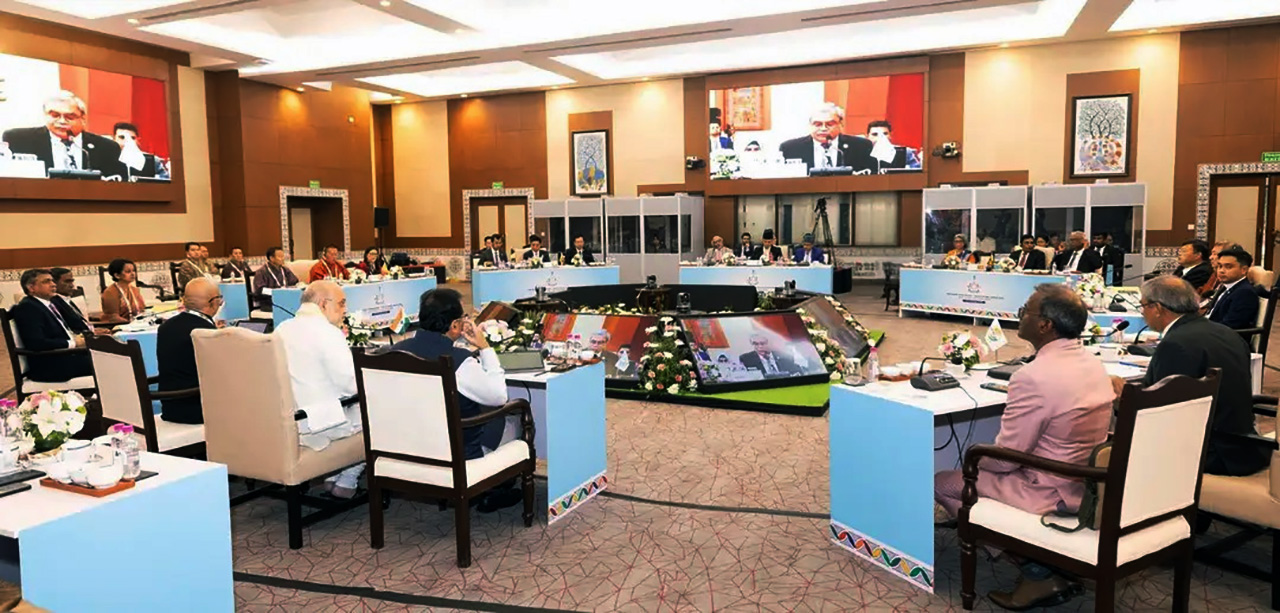
The meeting was preceded by the First Meeting of BIMSTEC Senior Officials of Home Ministries on 12 October 2026, which reviewed progress in regional security cooperation and considered key initiatives relating to human trafficking, anti-money laundering, countering the financing of terrorism, drug control and disaster management.
Sri Lanka’s participation reflects its continued engagement with BIMSTEC as a platform for regional collaboration, recognising that stronger security cooperation contributes not only to public safety but also to stability, development and prosperity throughout the Bay of Bengal region.
High Commission of Sri Lanka
New Delhi
20 October 2026