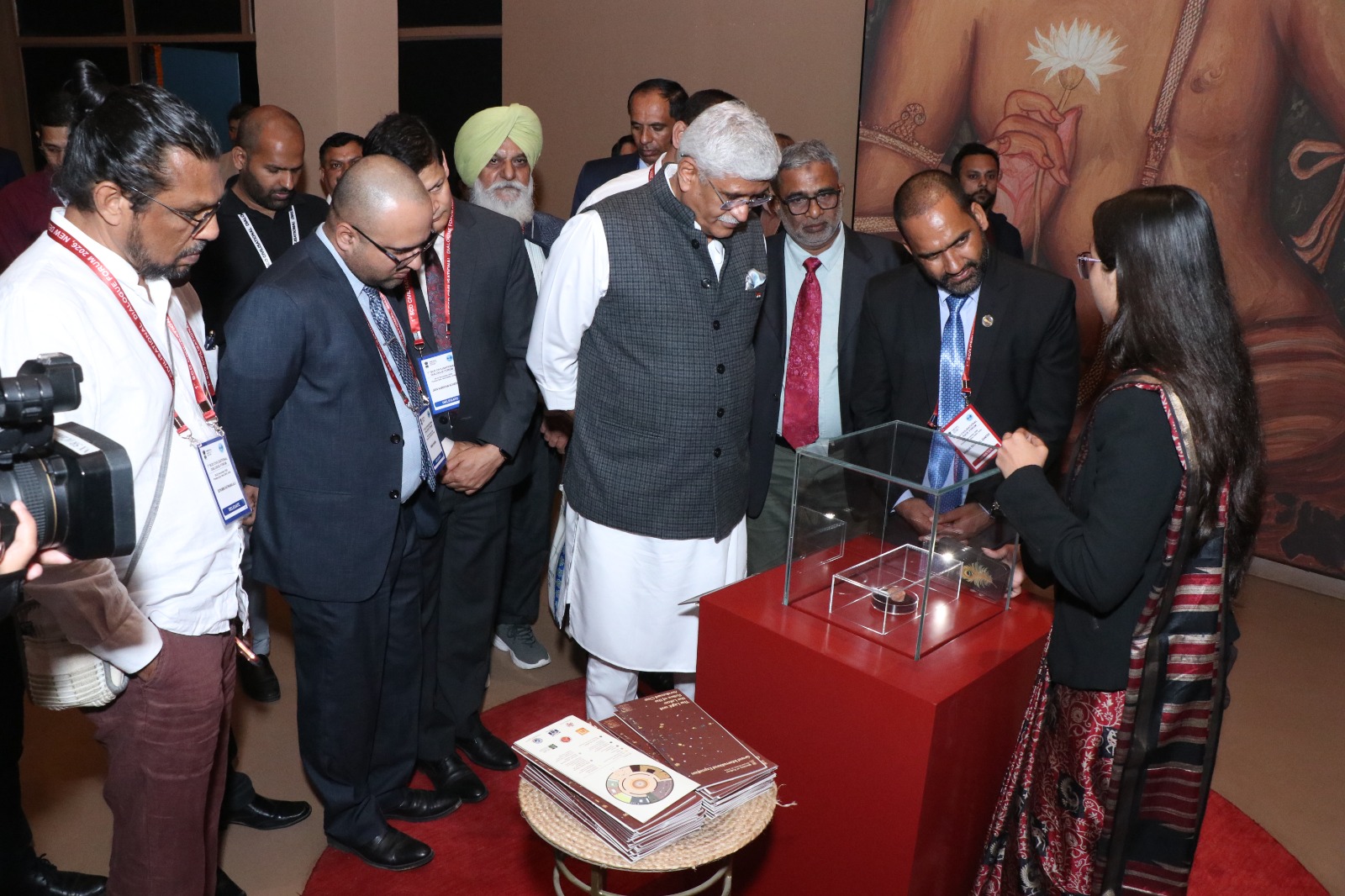
Sri Lanka participated in the inaugural Shanghai Cooperation Organisation (SCO) Civilisational Dialogue Forum, held in New Delhi from 20–22 November 2026, bringing together 116 delegates from 22 countries to reflect on the civilisational connections that have shaped Asia and Eurasia and their relevance to cooperation today.
The Forum, inaugurated by the Prime Minister of India, Shri Narendra Modi, at the historic Purana Qila on 20 November, was the first dedicated SCO platform for civilisational dialogue. The initiative followed the Prime Minister's proposal at the 2025 SCO Summit in Tianjin to establish such a platform.
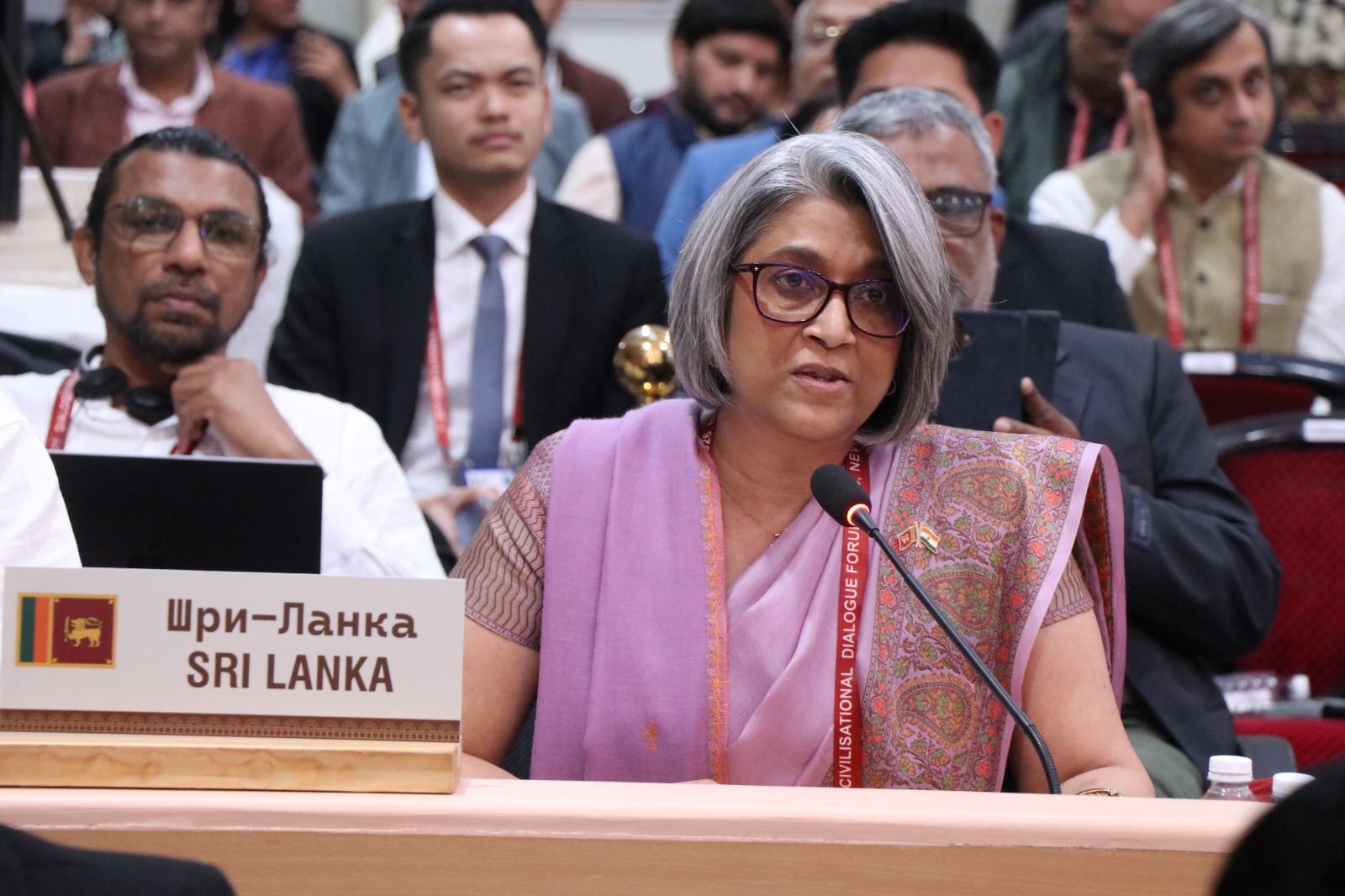
Representing Sri Lanka, High Commissioner of Sri Lanka to India, Mahishini Colonne, Head of the Sri Lankan Delegation, addressed the first session on “Civilisational and Cultural Expressions”, conveying the greetings of the Minister of Buddhasasana, Religious and Cultural Affairs of Sri Lanka, Hon. Dr. Hiniduma Sunil Senevi.
Reflecting on what happens when a civilisation travels, the High Commissioner highlighted Sri Lanka's millennia of civilisational exchange with India. She recalled the arrival of Arahat Mahinda in Sri Lanka with the teachings of the Buddha, followed by Theri Sanghamitta with a sapling of the sacred Bodhi Tree, and spoke of how these traditions took root in Sri Lanka's own language, literature, art and way of life while retaining their enduring connection with India.
She also brought an Indian Ocean perspective to a dialogue centred largely on the land routes of Eurasia, highlighting Sri Lanka's historic position at the crossroads of maritime networks connecting India with Persia, Arabia, China and Southeast Asia, through which travelled not only goods, but people, faiths, languages, ideas and knowledge.
As an SCO Dialogue Partner since 2009, Sri Lanka welcomed the Forum as an opportunity to give practical expression to the SCO Charter's recognition of cultural diversity.
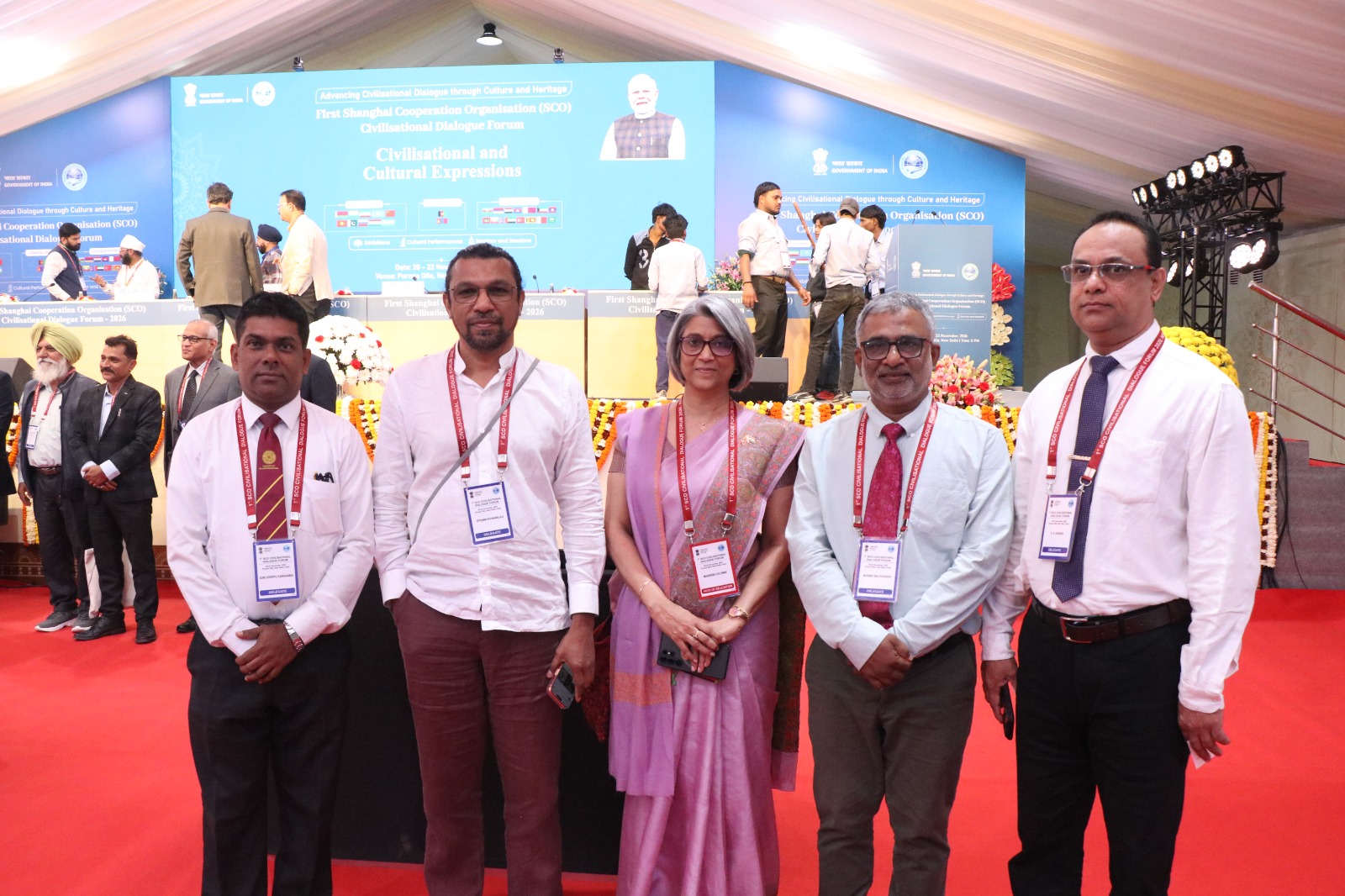
The High Commissioner called for sustained exchanges among scholars, students and artists, closer cooperation among museums and libraries, including the preservation and digitisation of manuscripts, and for the Civilisational Dialogue to become a regular feature of the SCO calendar.
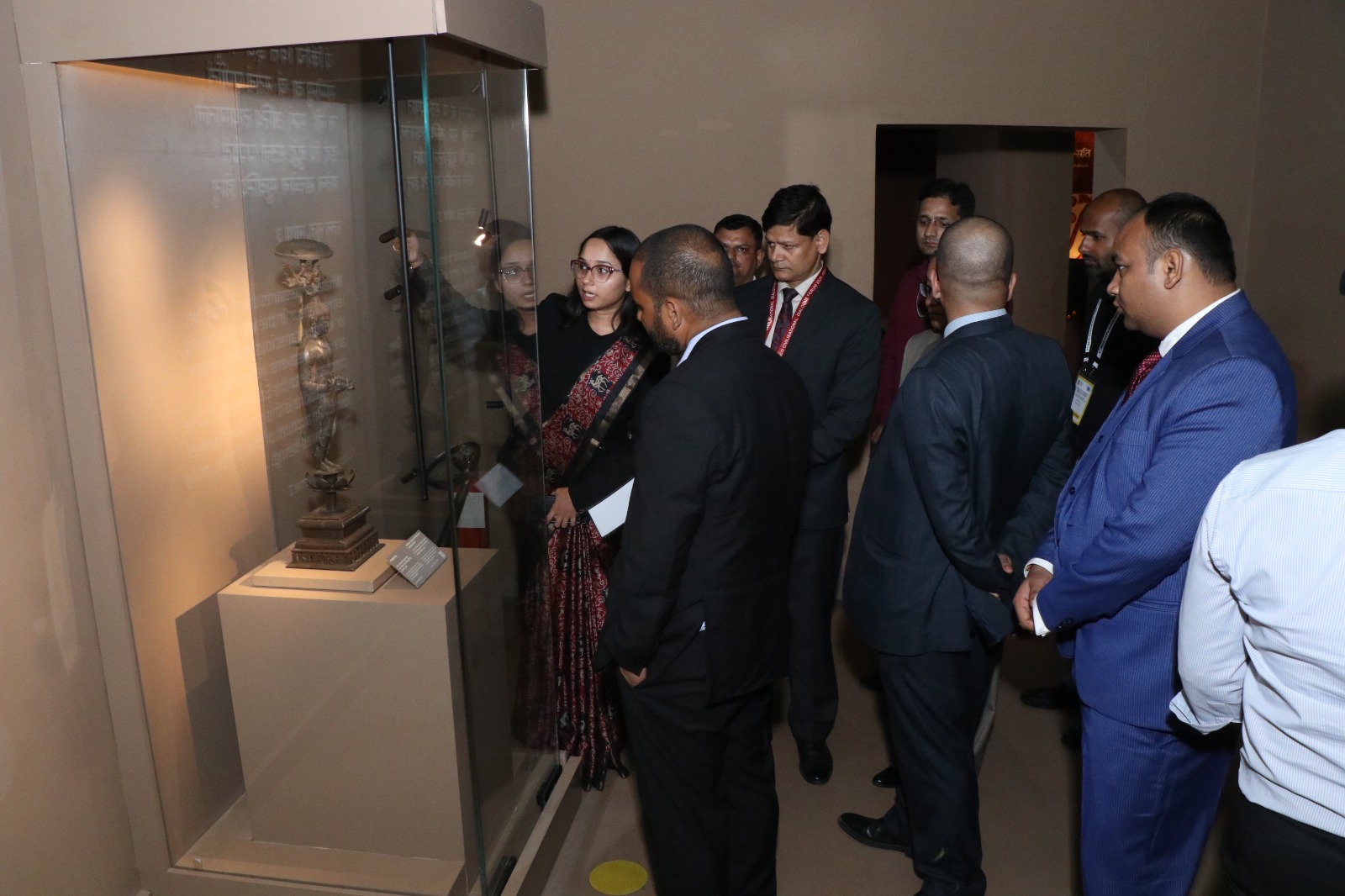
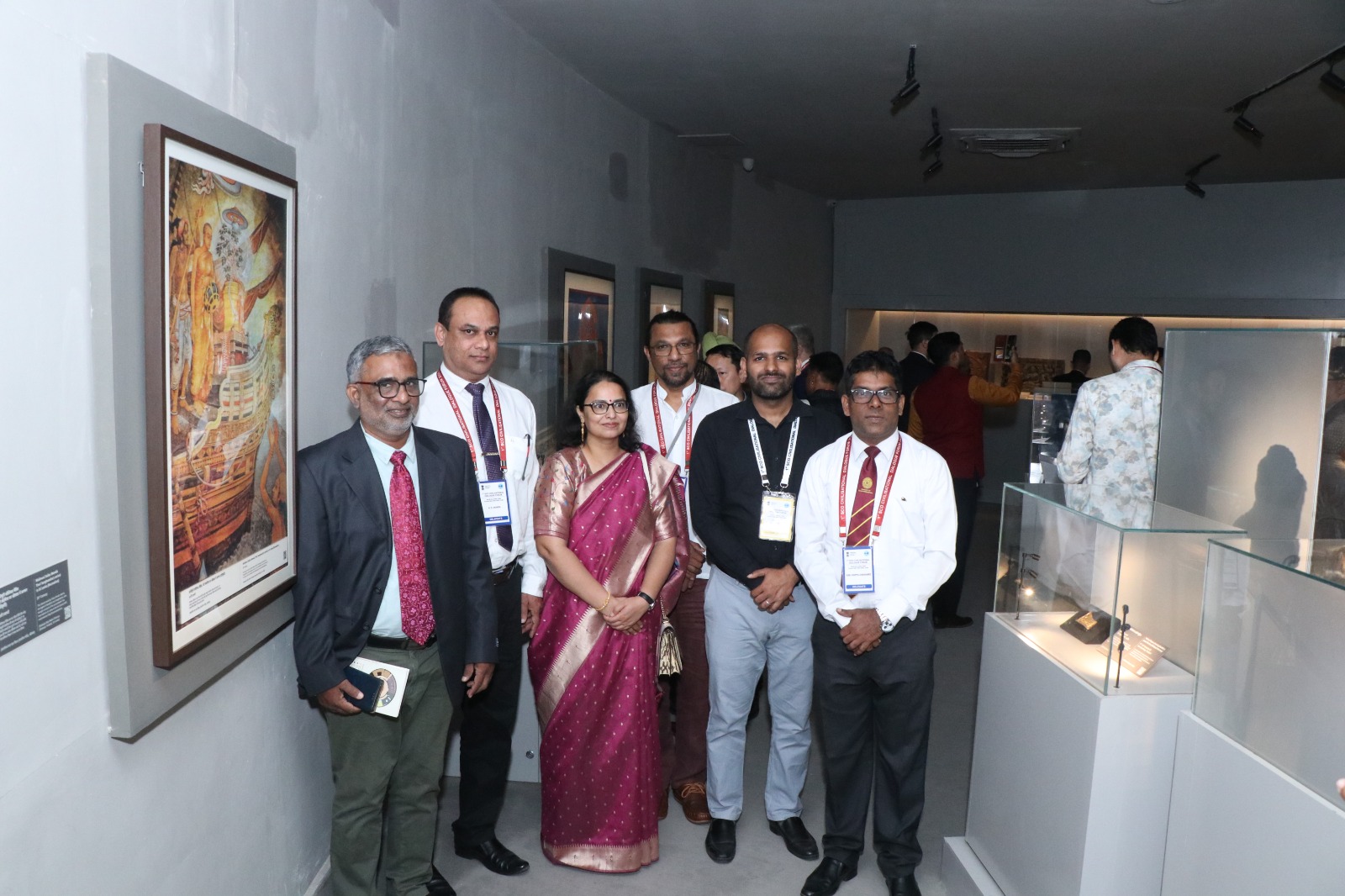
Four Sri Lankan experts, Mr. R. B. S. C. K. Rathnamalala, Senior Lecturer, Department of Integrated Design, Faculty of Architecture, University of Moratuwa; Mr. Noordeen Mohamed Siraj, Member of the State Literary Council; Prof. A. Sarath Ananda, Chairman, National Education Commission; and Dr. K. K. Sunil, Senior Lecturer, Department of Sinhala and Mass Communication, University of Sri Jayewardenepura also participated, contributing perspectives from design, literature, education and language to the discussions.
The Forum concluded with the adoption of the Indraprastha Communiqué, which recognised that SCO societies have been shaped by centuries of interaction, movement of people, exchange of ideas and sharing of knowledge, while retaining their distinct identities. It identified practical areas for cooperation, including joint cultural projects and exhibitions, preservation and digitisation of heritage, cooperation among museums, libraries and universities, and exchanges among artists, scholars and students, while recognising the potential of technology and Artificial Intelligence to widen access to cultural heritage.
High Commission of Sri Lanka
New Delhi
27 November 2026